







Search Results for: grinding and washing
Honey Processing vs. Washed and Natural Processing: An Analysis of Front Street Yirgacheffe Flavor, Grind Setting, and Key Brewing Points
The flavor profile of coffee is often foreshadowed at the processing stage. Honey processing, with its combination of sweetness and body, has become a common choice for espresso in cafés and competition baristas; the washed method is known for its cleanliness, high aroma, and bright acidity; the natural method preserves a more complete natural richness and syrupy mouthfeel. This article focuses on Front Street Yirgacheffe and outlines the process differences, flavor performance, and grind size recommendations for the three processing methods, helping enthusiasts more accurately balance sweetness, acidity, and body during brewing. [more…]
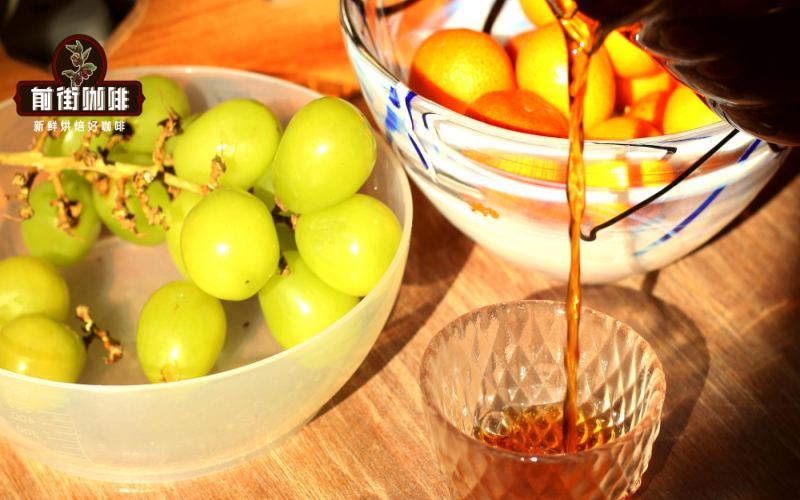
Yirgacheffe G2 Coffee Bean Flavor Analysis: Comparison of Pour-Over Parameters and Grind Settings for Washed and Natural Processing Methods
Yirgacheffe is Ethiopia's most iconic specialty coffee region, renowned for its bright acidity and fresh floral aroma. This article begins with the region's background and the differences between washed and natural processing methods, then breaks down in detail Front Street Coffee's brewing approach for the Gedeb Cooperative washed beans and the Aletaland Cooperative natural Red Cherry beans, including grind size recommendations, water temperature selection, coffee-to-water ratio, and dripper pairing, helping coffee enthusiasts more precisely bring out Yirgacheffe's citrus, berry, and honey sweetness. [more…]
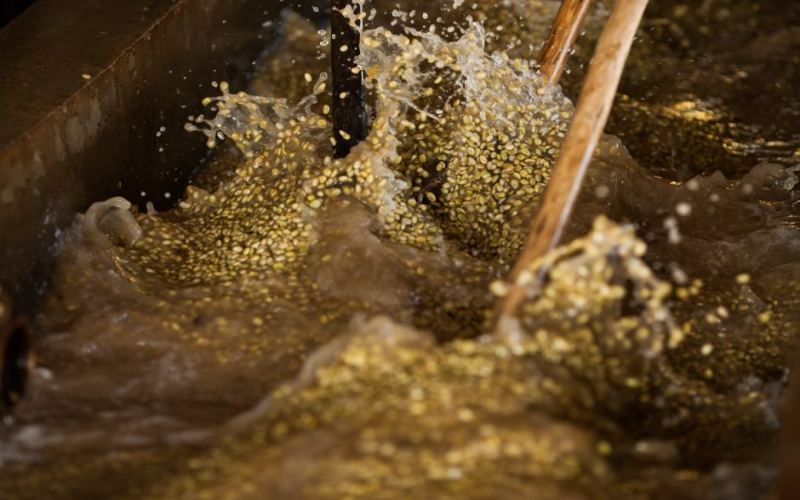
Yirgacheffe Washed Bean Flavor Characteristics and Brewing Parameters: From Origin and Variety to Grind Size
Washed Yirgacheffe has always been a favored origin representative in the specialty coffee world, impressing with its clean, transparent cup profile and signature citrus-floral notes. From the perspective of Front Street Coffee's bean selection, this article systematically reviews Yirgacheffe's regional history, the characteristics of its heirloom varieties, and the flavor differences between washed and natural processing methods, while unfolding the origin story through the example of the Gedingding Cooperative. It also includes Front Street Coffee's roasting suggestions and pour-over parameters (V60 dripper, 92-93°C water temperature, 15g coffee, 1:15 coffee-to-water ratio, caster sugar grind size), providing coffee enthusiasts with a reusable brewing reference. [more…]
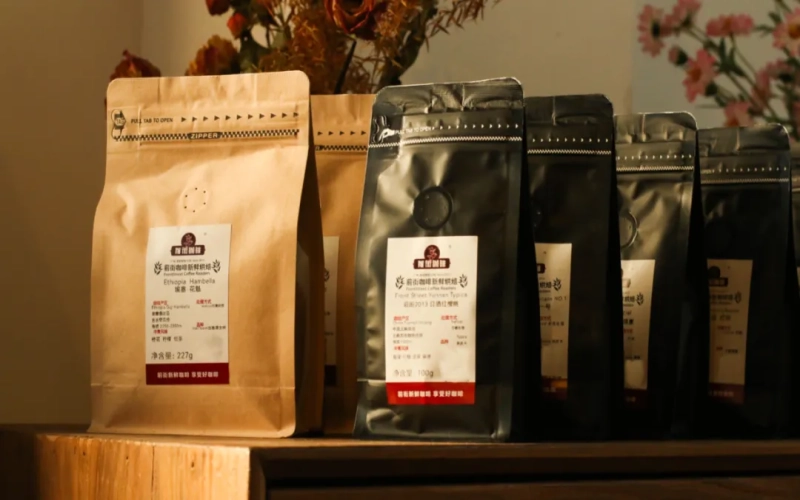
How Should Coffee Brewing Parameters Be Adjusted for Different Processing Methods? An Analysis of Water Temperature and Grind Differences for Natural, Washed, and Anaerobic Coffees, and Why Anaerobic Beans Drain Fast
When faced with coffee beans processed in different ways, is it necessary to design a separate brewing recipe for each one? Front Street believes that rather than recording tedious parameters one by one and bearing the high cost of trial and error, it is better to categorize beans by processing method or roast level and use a single recipe with a broad coverage range. This article focuses on three processing methods—natural, washed, and anaerobic—explaining the differences in their flavor expression, as well as the targeted adjustments that can be made during brewing, including the thinking behind setting water temperature, coffee-to-water ratio, grind size, and extraction time. The article also specifically explains why anaerobically processed coffee drains faster, and how to ensure full extraction by grinding finer or switching to a slower-flow filter basket. All parameters are based on medium-light roasted beans, with adjustment suggestions for medium-dark roasted beans included. [more…]
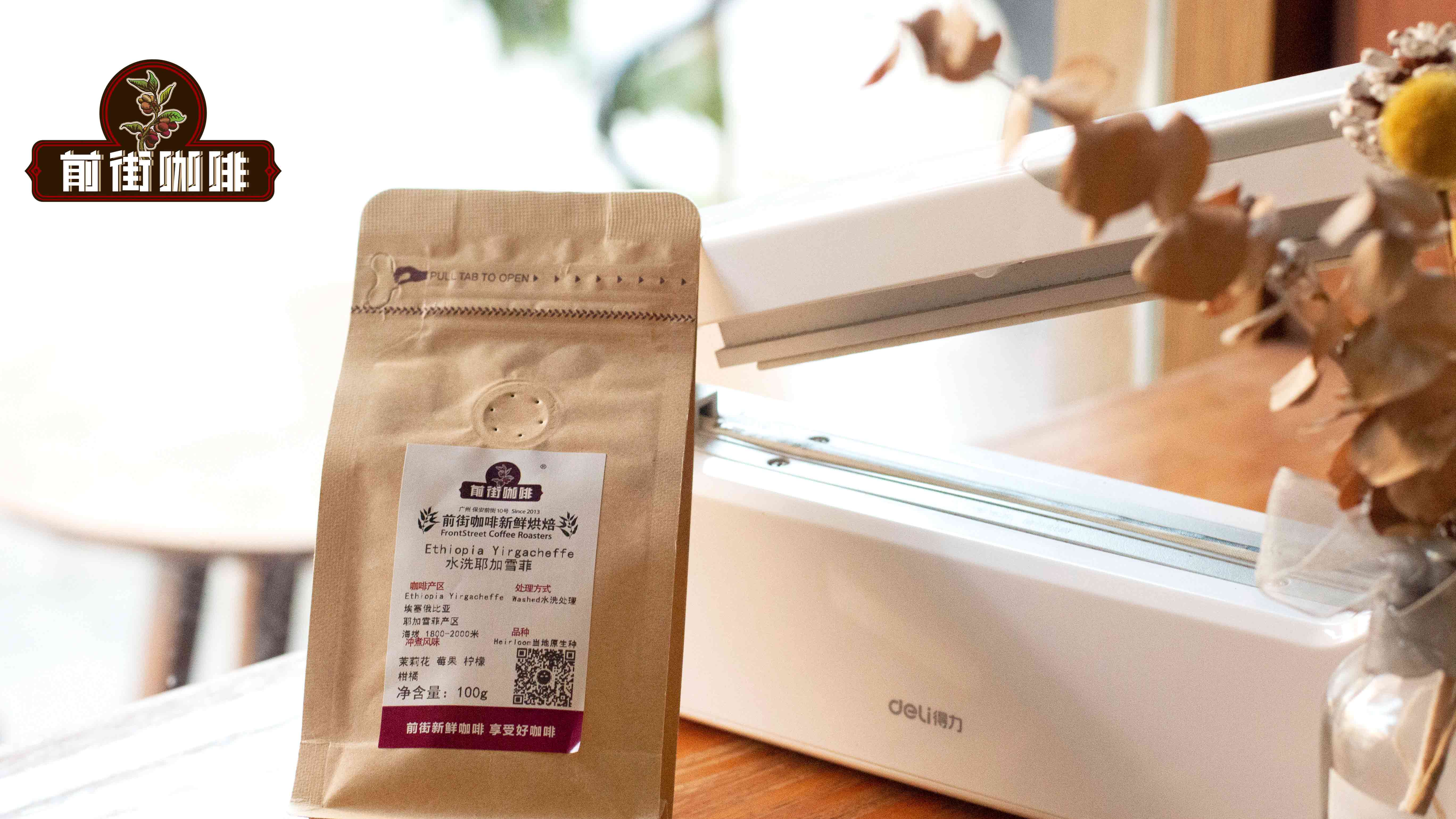
Ethiopian Yirgacheffe Washed Processing Method Flavor Analysis: Regional Characteristics, Grading Standards, and Pour-Over Grind Recommendations
Yirgacheffe is a jewel of the Gedeo Zone in southern Ethiopia, securing a major place in the global specialty coffee landscape with its distinctive floral and fruity profile. In its daily sourcing, Front Street Coffee has found that washed Yirgacheffe and its natural-processed counterpart diverge markedly in flavor direction—the washed process delivers a clean, translucent cup, while the natural process, by retaining the fruit pulp, adds a layer of fermented sweetness. This article takes washed Yirgacheffe as its main thread, systematically sorting through its producing-region background, Ethiopia's coffee cultivation system, the washed processing workflow, and the ECX grading system, and combines the roast curves, cupping comparisons, and pour-over parameters of Front Street's washed Yirga G1 and G2 to help coffee enthusiasts build a complete cognitive framework for this producing region. [more…]
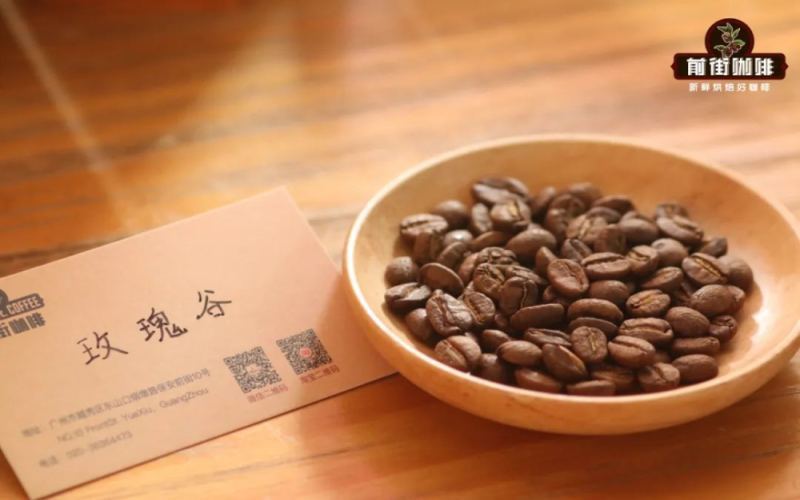
Front Street Coffee Rose Valley Double Anaerobic Enzyme Washed Process Explained: A Complete Guide to Flavor Sources and Brewing Techniques
Front Street Rose Valley coffee beans have become a favorite among many coffee lovers thanks to their unique flavors of rose, peach, and liqueur chocolate. Where exactly does this bean's alluring aroma come from? The answer lies in the double anaerobic enzyme washed processing method it uses. This article will break down each stage of this processing method step by step, from the coffee cherry's first anaerobic fermentation to the coffee bean's second enzyme anaerobic stage, and then to the drying stage, helping readers understand the principles behind the formation of these special flavors. At the same time, in response to the brewing difficulties of this type of anaerobically processed coffee bean, the article will also share practical techniques such as grind size calibration, water temperature control, bloom assessment, and three-pour brewing, so that you can consistently bring out the rich fruity aroma and sweetness of Front Street Rose Valley at home. [more…]
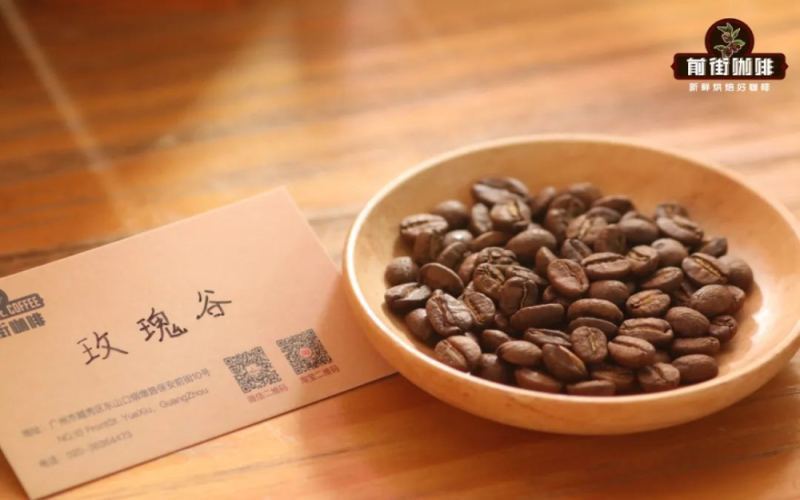
Front Street Coffee Rose Valley Pour-Over Tips: Flavor and Brewing Points of Colombian Double Anaerobic Enzyme Washed Coffee
Front Street Coffee's Rose Valley, a Colombian coffee bean, is unforgettable from the first sip thanks to its distinct peach flavor, and its unique taste comes from a double anaerobic enzyme wash processing method. However, getting the ideal result when brewing this type of anaerobic bean is no simple task—the grind setting, water temperature, and pouring rhythm all need targeted adjustments. This article starts with the principles of anaerobic fermentation and, combined with Front Street's hands-on experience, breaks down the key points of brewing Rose Valley by hand one by one, including how to calibrate the grind size with a sieve, why the water temperature should be controlled at 90-91°C, and the specific parameters for a three-stage pour, helping you consistently reproduce that cup of Rose Valley with floral notes and fruity sweetness. [more…]
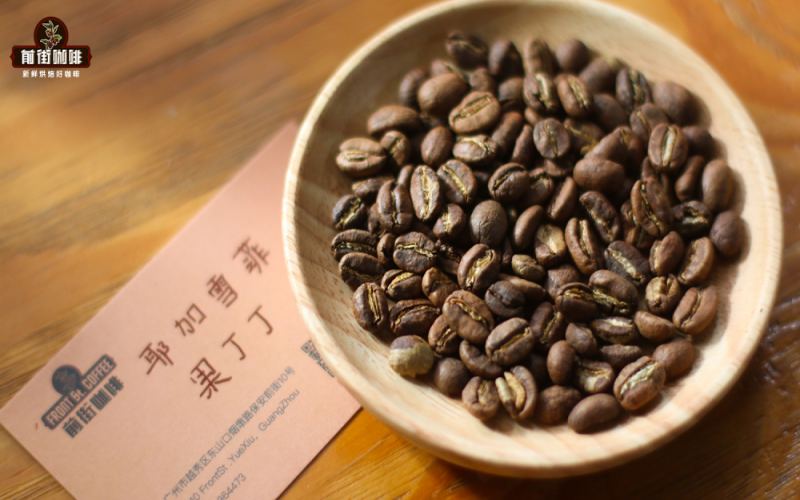
Yirgacheffe Pour-Over Parameters Explained: Brewing Techniques for Washed and Natural Beans and Cold Brew Methods
Yirgacheffe is one of Ethiopia's most iconic coffee regions, and its washed and natural beans each have their own strengths in flavor expression. This article will start with key parameters such as grind size, dripper selection, water temperature, and coffee-to-water ratio to break down in detail the brewing approach for two beans from Front Street Coffee: the washed Gedingding Cooperative and the natural Red Cherry, and will also include the complete steps for making cold brew coffee at home. Whether you want to highlight bright acidity or full-bodied sweetness, you can find corresponding parameter recommendations here, allowing every cup of Yirgacheffe to showcase its refined and captivating flavor layers. [more…]

Ethiopian Yirgacheffe Washed vs. Natural Pour-Over Guide: From Processing Method Differences to Parameter Settings
Yirgacheffe is the starting point for countless coffee lovers discovering specialty coffee, and Front Street Coffee's Yirgacheffe is the introductory choice through which many people first realized that coffee has rich flavors beyond bitterness. This article begins with the evolution of production methods in the region, sorting out the vastly different flavor expressions that washed and natural processing bring to Yirgacheffe, and provides complete pour-over approaches for two beans—Front Street washed Yirgacheffe Gutingding Cooperative and Front Street natural Yirgacheffe Aletaland Red Cherry—including the logic behind setting grind size, dripper selection, water temperature range, and coffee-to-water ratio, helping you brew a bright and clean or full and sweet Yirgacheffe at home. [more…]
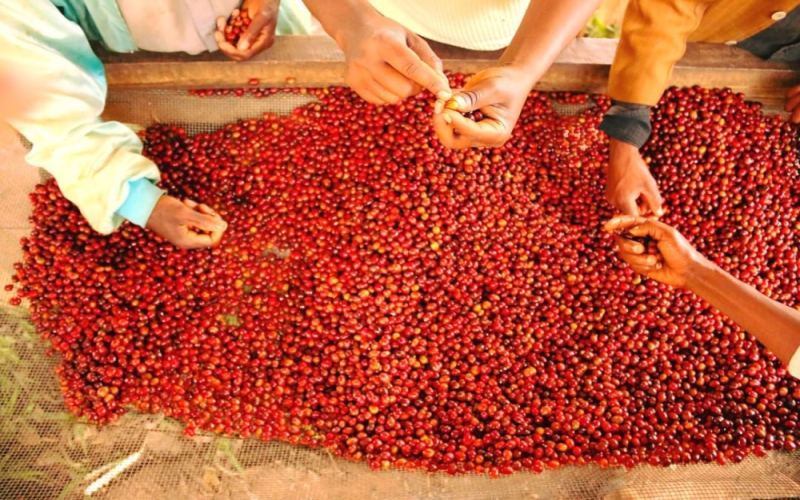
A Comprehensive Guide to Yirgacheffe Green Beans: Regional Grading, Processing Methods, and Brewing Flavor Differences
Yirgacheffe is Ethiopia's most representative specialty coffee region, renowned for its citrusy, lemony acidity and delicate floral and fruity aromas. This article, from the perspective of Front Street Coffee's bean selection, sorts out Yirgacheffe's regional history, micro-region distribution, and the ECX grading system, compares the essential differences between the natural and washed processing methods in terms of green bean appearance and flavor direction, and provides light-roast recommendations along with V60 staged extraction parameters. The article also includes brewing recipes and flavor descriptions for Front Street washed Yirgacheffe and Front Street natural Yirgacheffe, making it suitable reading for coffee enthusiasts who wish to gain a deeper understanding of Yirgacheffe. [more…]
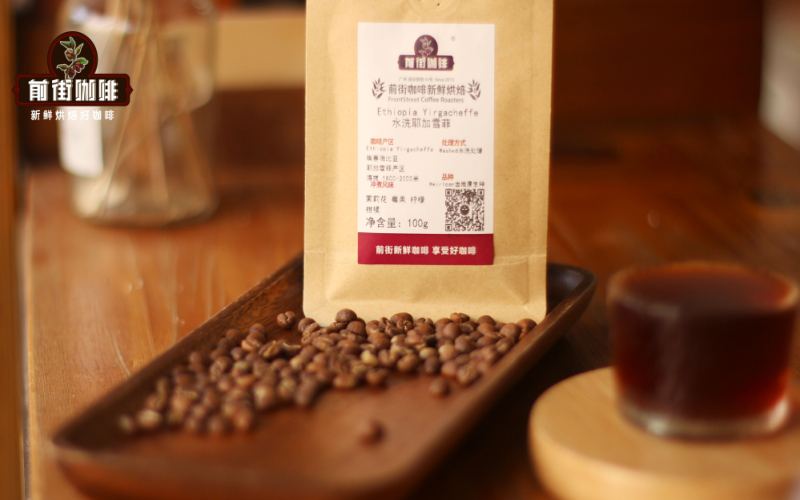
Yirgacheffe Coffee Bean Flavor Characteristics and Taste Differences: Front Street Coffee Washed and Natural Recommendations with Grind Size and Water Temperature Ratios
Yirgacheffe is Ethiopia's most renowned specialty coffee region, famous worldwide for its jasmine aroma and citric acidity. This article provides a comprehensive overview of Yirgacheffe's terroir, variety characteristics, the differences between washed and natural processing methods, and the origins of the Red Cherry Project. It also features detailed recommendations for two everyday beans—Front Street Coffee Washed Yirgacheffe Gedingding Cooperative and Front Street Coffee Natural Red Cherry—along with V60 brewing parameters: water temperature 91–93°C, water-to-coffee ratio 1:15, grind size with 80% passing through a Chinese No. 20 sieve—helping you fully unlock Yirgacheffe's floral, fruity, and tea-like notes. [more…]
What's the difference between natural and washed Yirgacheffe? A full breakdown from origin stories to brewing and roasting
Yirgacheffe is Ethiopia's most iconic specialty coffee region, renowned for its citric acidity and floral-fruity aromas. Coffee beans from the same region take on截然 different flavor profiles after natural (dry) or washed processing. From the perspective of Front Street Coffee, this article outlines Yirgacheffe's regional background, grading system, the essential differences between the two processing methods, and corresponding roasting and brewing recommendations. Whether you prefer the clean, bright washed style or favor the fermented sweetness of the natural style, you'll find practical reference information and flavor descriptions here. [more…]
Front Street Yirgacheffe Natural Bean Flavor, Estate Origin, Processing Method, and Grind Size Full Analysis
Yirgacheffe is one of Ethiopia's most representative specialty coffee regions, and its processing methods have undergone multiple transformations from washed to natural. This article will guide you through Yirgacheffe's flavor characteristics, estate and regional background, the historical evolution of washed and natural processing methods, as well as the rigorous selection standards and unique flavors of Front Street Coffee's natural Yirgacheffe beans. From the first attempt at washed processing in 1959, to the strong return of the natural method in 2006, and then to Front Street's natural Yirgacheffe reaching G1 grade in 2015, the article provides a detailed overview of this region's journey of quality advancement. Whether you prefer jasmine floral notes and citrus tones, or are captivated by the strawberry, peach, and red wine nuances brought by natural processing, you will find something to resonate with. [more…]
A Comprehensive Analysis of Yirgacheffe Coffee: Regional Terroir, Variety Grading, Natural and Washed Processing Methods, and Front Street Brewing Guide
Yirgacheffe is Ethiopia's most representative specialty coffee region, world-famous for its citrus-lemon acidity and delicate floral and fruity aromas. Front Street Coffee has long been deeply engaged in the selection and roasting of Yirgacheffe coffee beans. This article will comprehensively organize the core knowledge of Yirgacheffe coffee, from the region's history, variety characteristics, the ECX grading system, and the differences between the two major processing methods of natural and washed, to roasting curve recommendations and brewing parameters, helping coffee lovers gain a deeper understanding of the flavor logic of this legendary region, and providing specific brewing recipes and flavor comparisons for Front Street washed Yirgacheffe and Front Street natural Yirgacheffe. [more…]
How to Choose Yirgacheffe Grades? A Full Analysis of Flavor Differences Between Natural and Washed Processing Methods and Brewing
Yirgacheffe is one of Ethiopia's most representative specialty coffee regions, famous for its light, translucent citrus acidity and delicate floral and fruity aromas. This article provides a detailed analysis of Yirgacheffe coffee bean grading standards, the flavor and mouthfeel differences between the two major processing methods of natural and washed, roasting recommendations, and pour-over brewing plans. Front Street Coffee (FrontStreet Coffee), drawing on years of experience in bean selection and roasting, compares the specific performance of Front Street Natural Yirgacheffe and Front Street Washed Yirgacheffe in terms of acidity, sweetness, aftertaste, and other aspects, helping coffee enthusiasts understand the impact of different grades and processing methods on the flavor in the cup, so as to find the Yirgacheffe that suits their own taste. [more…]
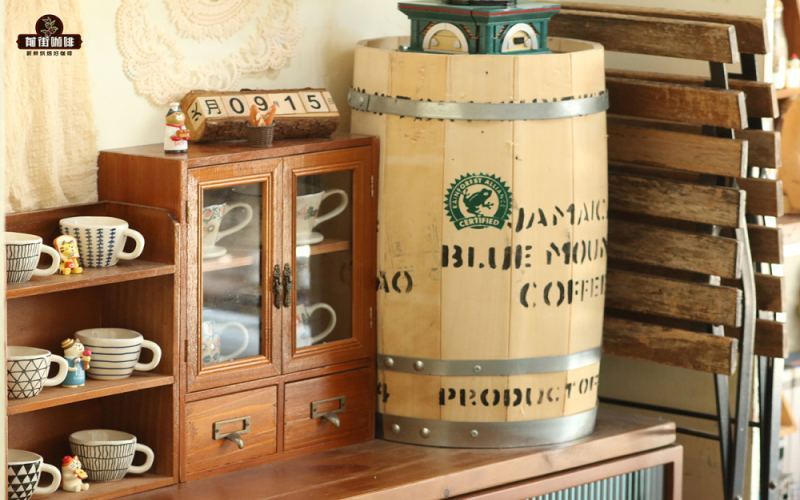
Colombian Rose Valley Anaerobic Double Enzyme Washed Coffee Beans: Full Analysis of Santander Finca El Arbol Flavor and Brewing
In recent years, peach oolong tea-flavored beverages have become hugely popular, and many coffee lovers are on the hunt for coffee beans with a juicy peach aroma. The Colombia Rose Valley launched by Front Street Coffee is exactly such a bean—one sniff and you're smitten. It comes from Finca El Arbol in the Santander region of Colombia, uses an anaerobic double enzyme washed process, and is of the Caturra variety. This article provides a comprehensive introduction to this bean's regional background, the estate's processing methods, variety characteristics, Front Street's roasting records and cupping performance, and offers grind size calibration, water temperature control, and three-pour brewing suggestions specifically for anaerobic beans, helping you fully unlock its captivating flavors of peach, rose, and liqueur chocolate. [more…]
Yirgacheffe Pour-Over Parameters Explained: Extraction Approaches for Washed and Natural Beans, Plus Cold Brew Methods
Yirgacheffe is a region beloved by many coffee enthusiasts, but the two processing methods—washed and natural—call for different brewing parameters. This article takes Front Street's washed Giddingding Cooperative and natural Red Cherry lots as its starting point, breaking down key variables such as grind size, dripper selection, water temperature range, and coffee-to-water ratio in detail, along with step-by-step instructions for making cold brew at home. Whether you want to highlight the bright acidity and floral notes of washed beans, or amplify the full-bodied sweetness and juicy character of natural beans, you'll find a corresponding brewing approach here. [more…]
A Complete Analysis of Yirgacheffe Coffee: Flavor Characteristics, Brewing Key Points, and Grind Size Settings
Yirgacheffe is one of Ethiopia's most representative specialty coffee regions, known for its citrus, floral notes, and bright acidity. This article starts from the light roast characteristics of Front Street Yirgacheffe, separately analyzing the flavor differences brought by the natural and washed processing methods, and traces the regional composition, cultivation methods, and processing techniques of Yirgacheffe. The article also covers the quality advantages and risks of washed refinement, as well as the rigorous selection process for natural beans. Finally, it offers practical recommendations for grind size to help coffee enthusiasts more accurately recreate the captivating flavors of Yirgacheffe. [more…]
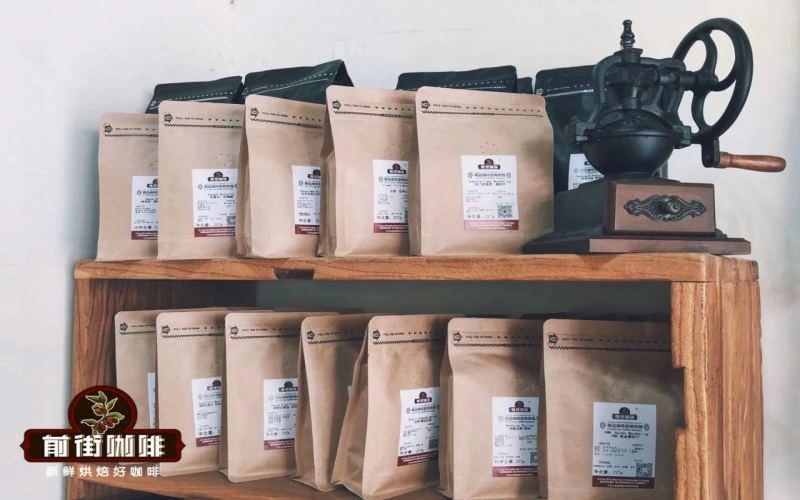
How to Set Water Temperature and Grind Size for Pour-Over Coffee? Key Points of Five Major Techniques for Drip Bag Black Coffee
The water temperature, grind size, and dripper choice for pour-over coffee directly determine the flavor direction of a cup of coffee. Many friends who are new to coffee often wonder, when visiting a café, why different baristas use different parameters to brew the same beans. In fact, as long as you understand the correspondence between coffee bean roast level and brewing parameters, you can understand the logic behind a barista's actions. This article starts from the differences between drip coffee machines and manual brewing, systematically sorts out the principles for matching water temperature, grind size, and dripper for light-roast and dark-roast beans, and recommends two representative beans from the Front Street Coffee staple bean series—washed Yirgacheffe and Indonesian Mandheling—to help coffee lovers quickly build their own pour-over framework. [more…]
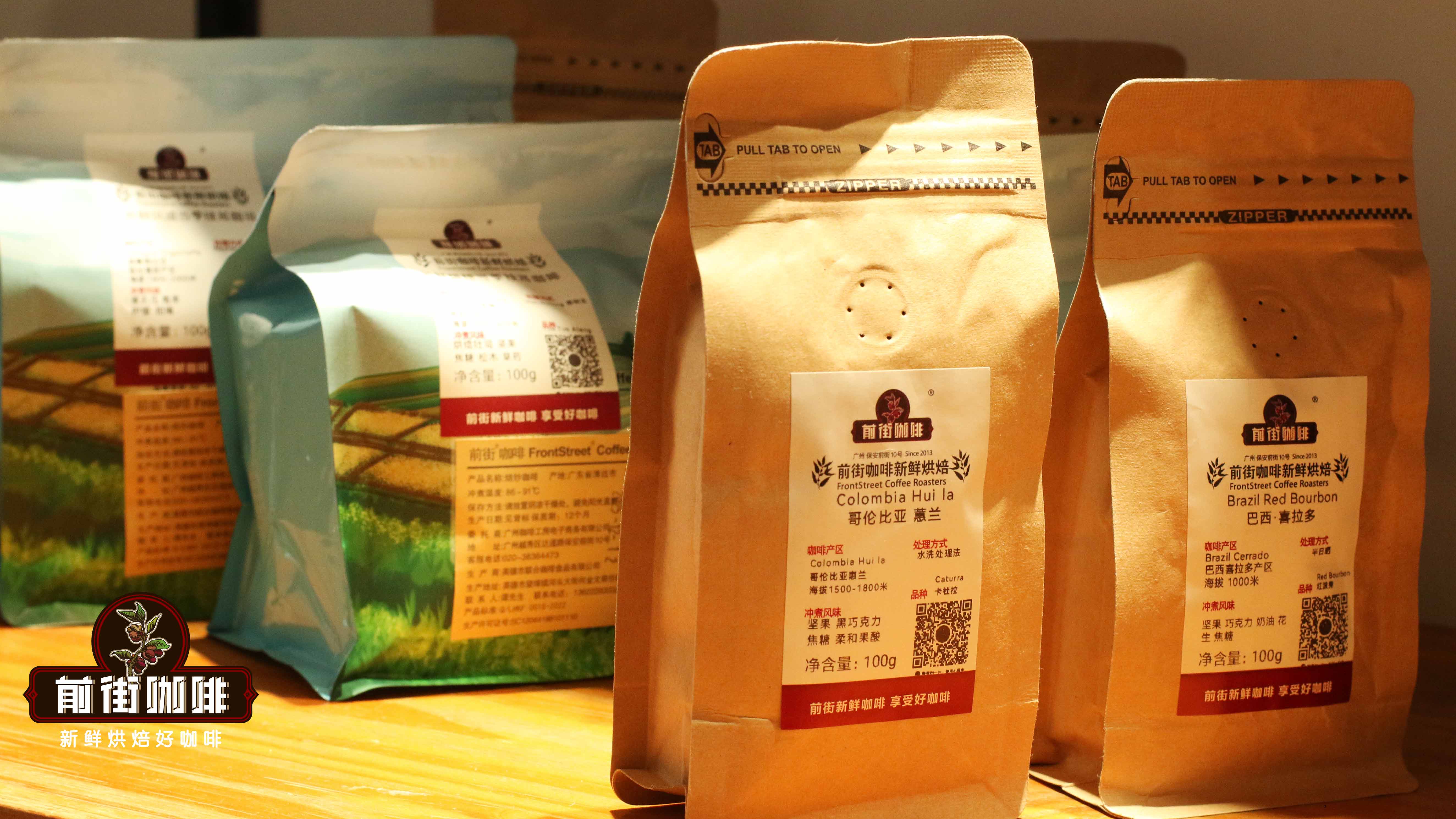
An Analysis of the Differences Between Pour-Over and Espresso Machines: Hand-Grinding Coffee Bean Varieties, Features, and Front Street Brand Recommendations
What are the differences between hand-ground coffee and espresso machines in terms of extraction principles and taste performance? Espresso relies on high pressure for rapid extraction, with rich crema and intense flavor; pour-over, on the other hand, uses immersion and drip filtration to highlight the flavor layers of the coffee beans themselves. Starting from the representative methods of machine coffee and hand-ground coffee, this article compares the core differences between the two, and focuses on introducing three Front Street single-origin beans suitable for pour-over — washed Yirgacheffe, Costa Rica Tarrazú, and Indonesia Lintong Mandheling — covering their origin backgrounds, processing method characteristics, as well as Front Street's brewing parameters and flavor descriptions, to help coffee lovers find coffee beans suitable for hand grinding. [more…]